

Industry Implications
Tesla’s breakthrough forces the entire automotive industry to accelerate their autonomous technology development or risk being left behind. This autonomous vehicle milestone creates several industry-wide ripple effects:
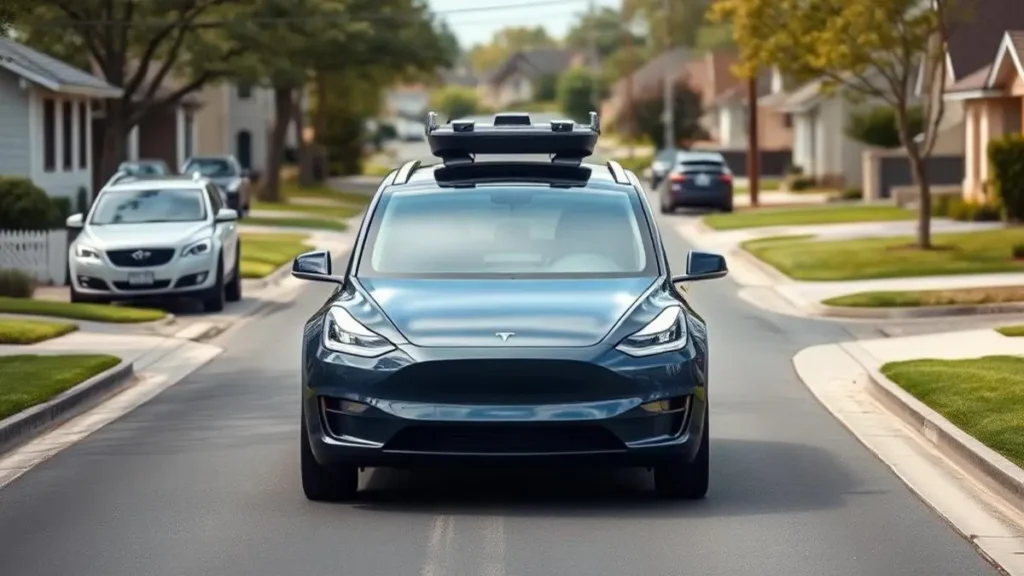
- Traditional manufacturers must drastically increase R&D investment in self-driving tech.
- Supply chains will evolve as self-delivering cars transform logistics.
- Dealership networks face disruption as direct-to-consumer delivery becomes viable.
- Transportation and logistics companies must adapt to a world where vehicles move independently.
The concept of self-delivering cars challenges fundamental business models across the automotive ecosystem.
Keep exploring smart money moves. Browse freely, no email or phone on our site.
 Tesla’s Dream-Driven Inventions in ➡️
Companies that embrace this shift will thrive, while those clinging to traditional approaches may struggle to remain competitive in this rapidly evolving landscape. Could visionary dreams like this be the secret behind more innovations?
Read about dream influence in history here: https://etherealdreams.org/historical-dreams/historical-dreams-shaped-world/
Future of Car Sales & Delivery
Tesla autonomous delivery represents the beginning of a revolution in how vehicles reach consumers:
- Streamlined Experience: Customers can order online and receive vehicles directly without visiting dealerships.
- Cost Reduction: Eliminating multiple transportation handoffs and dealership overhead lowers prices.
- Enhanced Convenience: Delivery schedules become more flexible without human driver limitations.
- Environmental Benefits: Optimized routing and vehicle utilization reduce emissions compared to traditional delivery methods.
This transformation extends beyond Tesla. Within 5-10 years, factory-to-home autonomous delivery will likely become standard practice across multiple manufacturers, completely reshaping customer expectations and the car-buying experience.
To achieve a dream lifestyle that allows you to purchase innovative products like Tesla, consider exploring ways personal loans can play a role.
“Factory-to-home autonomous delivery will likely become standard practice across multiple manufacturers, completely reshaping customer expectations and the car-buying experience.”
Challenges and Roadblocks
Despite this achievement, significant hurdles remain before self-driving car delivery becomes universal:
- Regulatory Framework: Many regions lack clear legislation for driverless vehicle operation.
- Public Trust: Consumer confidence in autonomous systems remains fragile after high-profile incidents.
- Infrastructure Limitations: Some areas lack the road quality and markings needed for reliable autonomous operation.
- Weather Challenges: Extreme conditions can still impair camera-based Tesla FSD technology.
These obstacles will require ongoing technological refinement, public education, regulatory collaboration, and infrastructure investments before autonomous delivery reaches global scale.
These dreams may become reality with new reform. Check out the details here.
Conclusion: Transportation Transformed
The successful Tesla autonomous delivery represents more than a technological novelty—it signals the beginning of a transportation revolution. What once existed only in imagination now travels our streets, bringing itself to customers with unprecedented efficiency and convenience.
This milestone demonstrates how visionary dreams can materialize into practical reality, forever changing our relationship with vehicles.
As autonomous technology continues evolving, we stand at the threshold of a fundamentally transformed transportation landscape where cars become intelligent, independent entities capable of navigating our world without human guidance.
The future has arrived at our doorstep—literally—and it drove itself there. Now that this new technology is here, would you rate it on par of one of the most historical inventions?
Read about Elias Howe’s Dream About the Sewing Machine here. Or another “driving” dream? Learn about what driving a new car in a dream means here.
FAQ
Q: How does Tesla’s autonomous delivery system work?
A: The vehicle navigates from Tesla’s factory through public roads, handles complex traffic, and parks itself in the customer’s driveway without human intervention.
Q: What technology powers Tesla’s autonomous delivery?
A: Tesla’s FSD technology combines vision systems, neural networks, onboard computers, and navigation integration.
Q: What are the industry implications of this breakthrough?
A: Traditional manufacturers must increase R&D, supply chains evolve, dealership networks face disruption, and transportation companies must adapt.
Q: What are the challenges and roadblocks to universal self-driving delivery?
A: Regulatory frameworks, public trust, infrastructure limitations, and weather challenges remain significant hurdles.
